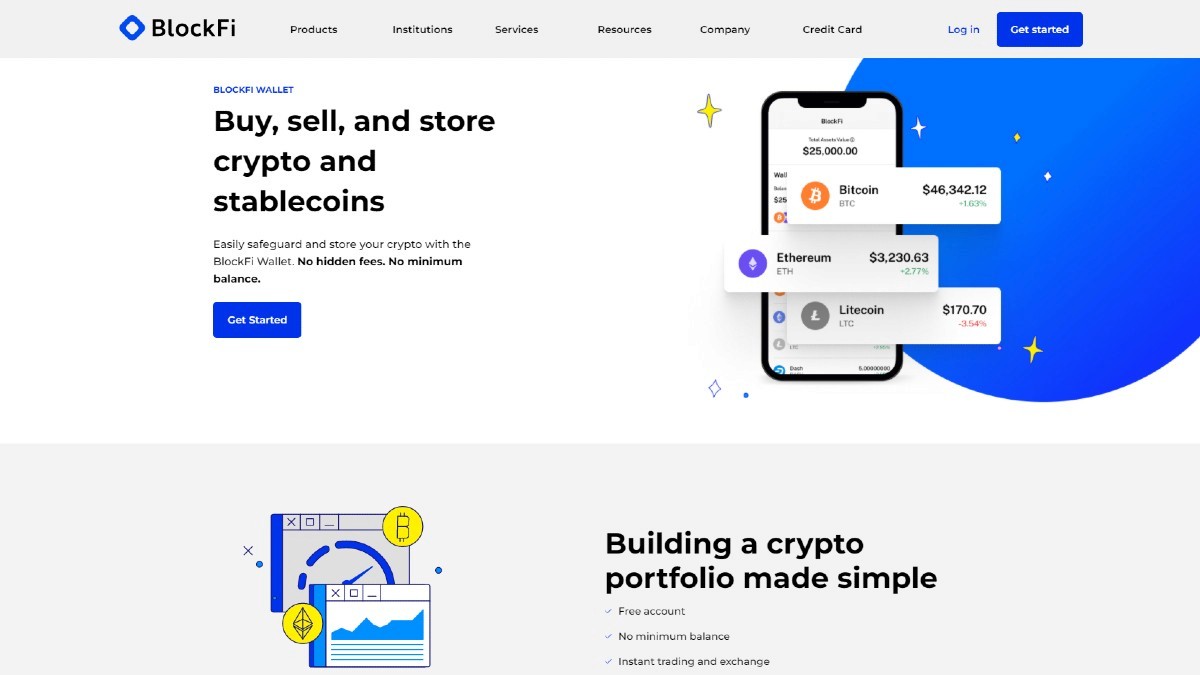
BlockFi Login: A Fresh 1200-Word Guide to Accessing Your Account Safely and Efficiently
The BlockFi platform has played a significant role in the cryptocurrency landscape, offering services such as crypto-backed loans, interest programs, and digital asset management. Even though the platform’s operations changed dramatically due to financial restructuring, many former users still need access to their accounts to retrieve documentation, view old balances, or download tax-related information. The BlockFi login process remains essential for these purposes.
Because platforms connected to digital assets are priority targets for impersonation sites and credential theft, understanding how to log in safely is absolutely critical. This guide delivers a fresh and comprehensive explanation of how BlockFi login works, what users should expect, and how to protect themselves throughout the process.
Understanding the Purpose of the BlockFi Login
The BlockFi login serves as the gateway to your historical data and previously held account information. While many cryptocurrency platforms evolve or shift operations, user access remains a central component because individuals may need their records for tax reporting, loan reviews, or personal financial tracking.
Logging in allows users to:
View previous deposits, withdrawals, and transfers
Access historical loan details
Retrieve interest statements
Download tax forms
Update personal information
Review security settings
Because this data is sensitive, the login process is designed to include multiple layers of security.
Step 1: How BlockFi Accounts Were Initially Established
To understand the login system, it helps to know how accounts were originally created. BlockFi users went through several steps to establish their identity and secure their account.
1. Signing Up With Basic Information
Users provided their name, date of birth, and email address to begin the process.
2. Creating a Password
A strong password, unique to the BlockFi account, was required. Complex password standards were encouraged to prevent brute-force attempts.
3. Email Confirmation
Users received a confirmation message verifying that they owned the email address linked to the account.
4. Verification of Identity
Since BlockFi handled financial services, users had to complete identity verification. This included submitting identification documents, sometimes along with supporting documents.
5. Security Enhancement Setup
Most users activated two-factor authentication to safeguard their accounts, adding an extra barrier between their data and unauthorized access.
These steps set the foundation for the login system that remains relevant for account access today.
Step 2: Navigating to the BlockFi Login Interface
Accessing your login portal correctly is one of the most important parts of the process. In the world of cryptocurrency, malicious actors frequently create imitation login pages aiming to steal user credentials. For this reason, users must always be cautious and double-check the authenticity of the login page.
Once on the correct interface, the login fields typically require:
Email address
Password
Two-factor authentication code (if enabled)
The login page layout is simple, focusing on secure access rather than advanced visual features.
Step 3: The Importance of Two-Factor Authentication
Two-factor authentication (2FA) is one of the strongest layers of protection against unauthorized logins. It prevents access even if someone discovers your password.
How 2FA Works
2FA adds a second login requirement. In addition to your password, you must enter a time-sensitive code created by an authentication application.
Enabling 2FA
Users activated 2FA by:
Downloading an authenticator application
Scanning a QR code presented within BlockFi
Verifying the setup by entering the first generated code
Once enabled, every login required a fresh code generated by the app.
Why 2FA Should Never Be Disabled
Disabling 2FA opens your account to significant risk. Cryptocurrency accounts have historically been targets for hacking attempts. With 2FA, even if a hacker knows your password, they cannot log in without the verification code.
Step 4: Logging in Through the BlockFi Mobile App
BlockFi also provided a mobile app, giving users easy access to their account information directly from their smartphone. The mobile login process followed the same pattern as desktop login but was optimized for handheld use.
Mobile Login Steps
Launch the BlockFi mobile app
Enter your email address
Enter the corresponding password
Provide the 2FA code
Access your dashboard
Mobile Security Considerations
Because smartphones are more frequently misplaced or exposed to insecure networks, users were advised to:
Enable biometric authentication
Avoid connecting on public networks
Keep the phone’s operating system updated
Turn on device-level security such as screen locks
These precautions help prevent unauthorized access if the device is compromised.
Step 5: Best Practices for a Safe Login Experience
Logging into a financial platform requires mindful attention to security. Users should follow consistent practices whenever accessing their BlockFi account.
1. Use a Strong, Unique Password
A good password should be:
Long
Unique to BlockFi
Unrelated to personal details
Stored securely (preferably in a password manager)
2. Protect Your Email Account
Since your email serves as a backup login pathway, securing it is equally important. Enable 2FA on your email as well.
3. Avoid Copying Credentials Into Notepad or Email
Sensitive information should never be stored in unsecured digital spaces.
4. Watch for Unexpected Login Notifications
If you receive a login alert without attempting access, treat it as a possible intrusion attempt.
5. Use Trusted Devices Only
Public devices can store login data or be infected with keyloggers and spyware.
Step 6: Recovering Account Access When Issues Arise
Users who lose access to their BlockFi accounts have several recovery options depending on the issue.
Recovering a Forgotten Password
The system allowed users to request a password reset by verifying their identity through email.
Recovering Two-Factor Authentication Access
If a user lost access to their authentication app, recovering 2FA required identity verification. This step prevents hackers from disabling security on stolen accounts.
Changing or Recovering the Registered Email
If users were locked out of their email, BlockFi required rigorous verification before updating the account’s email address.
All recovery routes were structured to prioritize security and prevent unauthorized access.
Step 7: Common Login Problems and Their Solutions
Users may encounter routine login challenges. These are usually easy to resolve with a few adjustments.
1. Incorrect Login Credentials
Check for typing errors, especially in case-sensitive fields.
2. Invalid 2FA Codes
Ensure the authenticator app’s clock matches your device’s system time. Time drift often causes code errors.
3. Account Lockouts
After multiple failed attempts, accounts may become temporarily locked for security. Waiting and retrying later usually resolves this.
4. Browser Errors
Refreshing the page, clearing stored browser data, or switching browsers often solves login glitches.
5. Outdated Mobile App
Updating the BlockFi app may resolve login failures on mobile devices.
Step 8: What Users Can Access After Logging In
Once logged in, users gain access to the essential components of their historical BlockFi data.
You may be able to view:
Past balance summaries
Loan agreements and repayment logs
Interest payout history
Deposit and withdrawal records
Year-end tax reports
Identity verification status
Security settings and device history
These records are still important for financial planning and documentation.
Step 9: Long-Term Security Habits for Former BlockFi Users
Good security habits continue to matter even after logging in, especially for long-term management of personal financial documents.
Key Security Habits:
Change passwords periodically
Protect your authentication device
Monitor email activity
Keep your phone and computer updated
Log out after each session on shared devices
Watch out for phishing attempts pretending to be BlockFi
Long-term protection is essential because sensitive information stays valuable even years after use.
Conclusion
The BlockFi login process remains vital for users who need access to their financial history, tax forms, statements, or loan details. Navigating the login process with care—and maintaining strong security habits—ensures your information remains private and protected.
By following the steps outlined in this guide, users can confidently access their BlockFi account with enhanced safety and awareness. Good login practices, combined with strong password hygiene and two-factor authentication, create a secure environment for interacting with sensitive financial information.