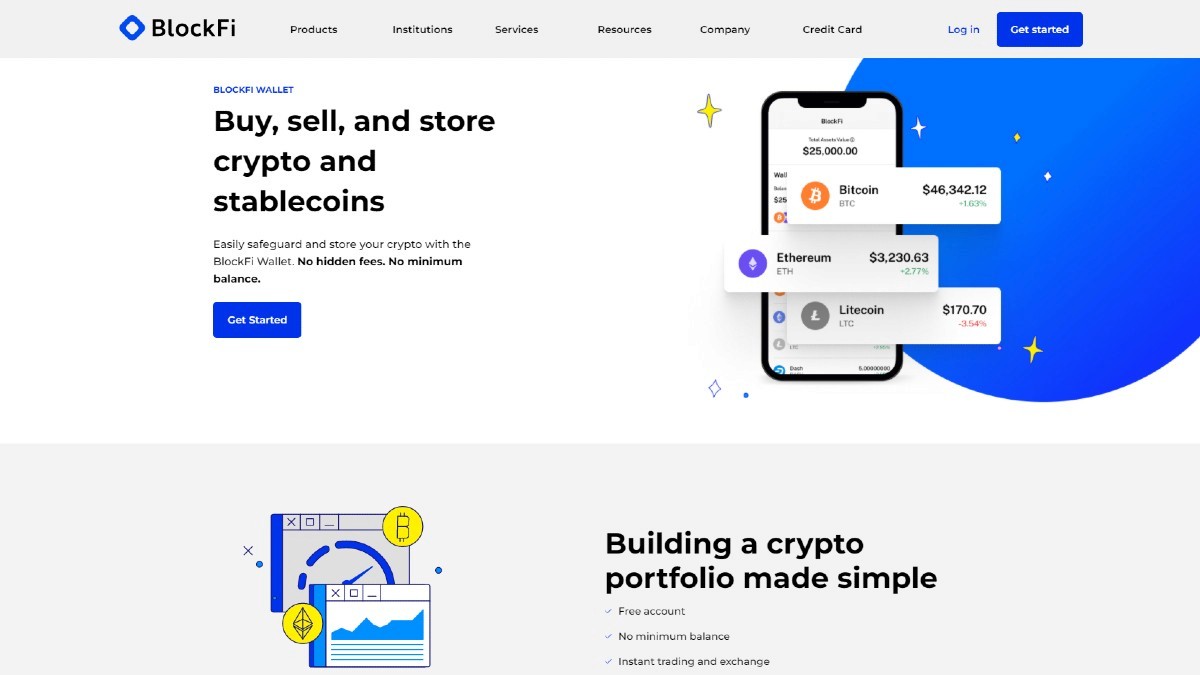
BlockFi Login: A Complete 1200-Word Guide to Accessing Your Account Securely
Accessing your BlockFi account securely is essential for anyone who previously used the platform to hold crypto, borrow funds, or manage their digital assets. Even though BlockFi has undergone major restructuring, many users still need to log in to retrieve important data such as transaction history, interest records, loan details, or tax documentation. Because cryptocurrency platforms are often targets for phishing, impersonation, and credential theft, knowing how the login process works—and how to protect your account—is vital.
This guide delivers a clear, comprehensive breakdown of the BlockFi login process, security fundamentals, troubleshooting tips, and best practices for safeguarding your account.
Understanding BlockFi and Why Login Security Matters
BlockFi offered services such as crypto-backed loans, interest accounts, and basic trading features. Although the platform’s operations changed, its login portal continues to serve a crucial role for existing customers who must access their prior information.
The login is not just a doorway into your account; it’s a sensitive checkpoint that must be handled cautiously. Cryptocurrency accounts often store financial data, identity verification records, transaction histories, and previous asset balances. This makes secure login practices essential to protect your personal information and prevent unauthorized access.
Step 1: How BlockFi Accounts Were Created
Before users could log in, they originally had to set up an account with the platform. Understanding this process can help users recover access later.
1. Providing Basic Information
Users created accounts by entering their name, email address, password, and date of birth.
2. Setting a Secure Password
BlockFi encouraged strong, complex passwords to ensure that accounts could not be easily compromised.
3. Email Verification
An automated email was sent to confirm registration. Clicking the verification button activated the account.
4. Identity Verification
As a regulated financial service, BlockFi required users to submit identification documents and sometimes additional verification such as a selfie or proof of address.
5. Security Setup
Most users enabled two-factor authentication to strengthen account security.
These early steps established the login credentials that users still rely on today.
Step 2: Accessing the BlockFi Login Portal
Logging into BlockFi requires entering your email, password, and possibly a 2FA code. However, accessing the correct login page is even more important.
Why This Matters
Fake login sites are common in the crypto space. Entering your credentials into a fraudulent portal exposes your personal data and risks your financial records.
Basic Login Steps
Once on the correct portal:
Enter your verified email address
Input your secure password
Submit your two-factor authentication code if enabled
Access your dashboard and account data
In most cases, users can log in smoothly as long as they are using the right credentials and have access to their 2FA device.
Step 3: Understanding and Using Two-Factor Authentication
Two-factor authentication (2FA) is one of the most powerful tools for protecting your BlockFi account.
How It Works
2FA requires something you know (your password) and something you have (the code generated by your authenticator app).
Setting Up 2FA
Users typically activated 2FA by:
Installing an authentication app
Scanning the setup code provided by BlockFi
Confirming setup through a verification code
Once enabled, every login required entering a code that refreshed every 30 seconds.
Why 2FA Matters
If an unauthorized user obtains your password, 2FA still prevents them from accessing your account. It is one of the strongest defenses against account takeover.
Step 4: Logging in Through the BlockFi Mobile App
BlockFi offered a mobile application for users who preferred managing finances from their phone. The login process was similar to the desktop version but designed for mobile convenience.
Logging in on Mobile
Open the BlockFi app
Enter your email and password
Provide your 2FA code
Access your dashboard
Security Considerations on Mobile
Ensure your phone has a passcode or biometric lock
Avoid logging in on public Wi-Fi
Use the most recent version of the app
Watch for unexpected login notifications
Mobile access is convenient, but requires equal—if not greater—attention to security.
Step 5: Protecting Your BlockFi Login Credentials
Because BlockFi accounts contain sensitive data, adopting strong security habits is essential.
Use a Strong, Unique Password
Your BlockFi password should never match passwords used on other platforms. A strong password includes:
Uppercase letters
Lowercase letters
Numbers
Symbols
At least 12–16 characters
Never Store Passwords in Unsecured Places
Avoid saving passwords in:
Notes apps
Email drafts
Unprotected documents
Instead, use a reputable password manager.
Keep Your Email Secure
Your email account is the gateway to password resets. Protecting it is just as important as protecting your BlockFi login.
Step 6: Recovering Access to Your Account
If you lose access to your BlockFi login credentials, there are several ways to regain control.
1. Resetting Your Password
Users can request a password reset email. After verifying identity, they can create a new password.
2. Recovering 2FA
Losing access to your 2FA device can temporarily lock you out. Recovery typically requires:
Verifying your identity
Providing previously submitted details
Sending identification documents
3. Changing Emails
If you no longer have access to your old email account, identity verification is required before updating your login email.
Account recovery is intentionally strict to prevent unauthorized users from hijacking accounts.
Step 7: Troubleshooting Common Login Problems
Users occasionally face login difficulties. These issues are typically easy to resolve with the right steps.
1. Incorrect Password Errors
Double-check for typos, especially capitalization errors. Ensure your keyboard isn't in Caps Lock mode.
2. Issues with 2FA Codes
Your authentication app and device must have the correct time settings. Time mismatches often result in invalid codes.
3. Locked Accounts
After too many failed attempts, accounts may temporarily lock to prevent brute-force entry. Waiting and trying later usually resolves this.
4. Browser Problems
Clearing cache, cookies, or switching to a different browser can resolve unusual login errors.
5. App Not Working
Updating the BlockFi app to the latest version often fixes mobile login issues.
Understanding common problems helps users bypass login obstacles more efficiently.
Step 8: What You Can Access After Logging In
Once logged in, users can still review important account information even if trading or lending services have changed.
You Can Access:
Historical transaction records
Deposits and withdrawals
Loan details
Past interest statements
Tax documents
Personal profile settings
Security preferences
This makes the login portal essential for financial documentation and personal data retrieval.
Step 9: Long-Term Security Habits for BlockFi Users
Even after logging into BlockFi, maintaining security is essential.
Key Practices Include:
Updating your password periodically
Reviewing login notifications
Removing old or unused devices
Keeping your authentication app secure
Using secure networks
Monitoring your email for suspicious activity
These steps help ensure that your account remains safe over time.
Conclusion
The BlockFi login process remains an important part of accessing your financial records and personal information. From entering your email and password to securing your account with 2FA, each step contributes to keeping your data protected.
Following the best practices outlined in this guide—such as maintaining a strong password, enabling two-factor authentication, monitoring account activity, and avoiding suspicious websites—helps ensure your BlockFi account remains secure and accessible whenever you need it. Even though BlockFi’s services have evolved, responsible login habits are still essential for safeguarding your sensitive information.