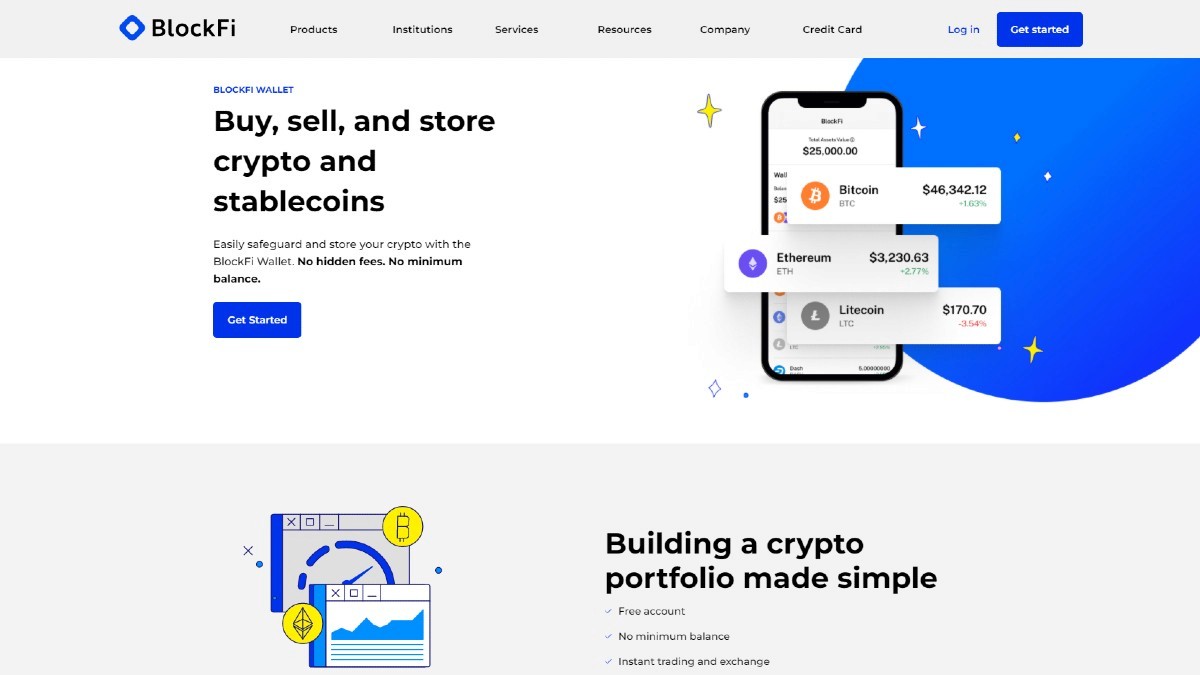
BlockFi Login: Complete 1200-Word Guide to Secure Access and Account Management
As cryptocurrency platforms evolve, safe access to digital financial services has become more important than ever. BlockFi, once a major name in the digital asset lending and interest-earning space, provided users with tools to manage crypto holdings, take out crypto-backed loans, and track market trends. Although the platform’s operations changed significantly after its financial restructuring, many users still need guidance on logging in, retrieving account information, and maintaining security.
Understanding how the BlockFi login process works—along with the best practices surrounding account access—is key for users who want to view past statements, retrieve tax documents, manage remaining balances, or monitor historical activity. This guide provides a detailed overview of the BlockFi login process, covering account setup, secure login procedures, troubleshooting, and general security recommendations.
Introduction to BlockFi and Account Access
BlockFi was designed to help users borrow, lend, and grow their cryptocurrency holdings through interest-earning products and trading tools. Account access was always central to the BlockFi experience: users needed to log in to check balances, request withdrawals, view statements, and manage their loans or interest accounts.
Even though the service has undergone major transitions, the login process remains essential for account verification and financial records. Whether accessing the platform to recover documentation or simply review past activity, understanding how the login system works ensures a smooth and secure experience.
Step 1: Creating a BlockFi Account
Users who previously created BlockFi accounts followed a multi-step registration process. While new registrations may not always be available depending on platform status, understanding the original process clarifies how login credentials were established.
User Registration – The initial sign-up asked for basic information such as email address, name, and date of birth.
Password Creation – Users were instructed to create secure, complex passwords to protect their account.
Email Verification – A verification email was sent to confirm the account.
Identity Verification – BlockFi required users to complete Know Your Customer (KYC) checks by uploading identification documents.
Security Setup – Many users opted to enable two-factor authentication for added protection.
Once the account was set up, the user could proceed to the login process anytime.
Step 2: Accessing the BlockFi Login Page
To log in successfully, users needed to access the official login portal and enter their credentials. Since cryptocurrency platforms are often targeted by impersonation sites, verifying the authenticity of the login page was essential.
The login fields generally consisted of:
Email Address
Password
Two-Factor Authentication Code (if enabled)
Entering the correct details allowed users to access their dashboard, account history, statements, loan information, and other records.
Step 3: Using Two-Factor Authentication (2FA)
BlockFi strongly encouraged its users to enable two-factor authentication. This security measure required a user to verify their login with a time-sensitive code generated by an authentication app.
The typical 2FA process included:
Installing an Authenticator App – Apps such as Authy or Google Authenticator were commonly used.
Linking the BlockFi Account – Users scanned a QR code during setup to sync their account with the app.
Entering a Security Code – Each login required entering the newest generated code before accessing the dashboard.
With 2FA enabled, even if someone obtained the account password, they would still be blocked from logging in without the secondary authentication step.
Step 4: Logging in Through the Mobile App
BlockFi also offered a mobile app that mirrored the desktop login experience. Users could log in on iOS or Android devices using the same credentials they used on the desktop version.
The login process involved:
Opening the BlockFi mobile application
Entering email and password
Inputting the 2FA code
Accessing the mobile dashboard
Mobile login provided convenience, but users were encouraged to take precautions such as using device passcodes, biometric authentication, and avoiding unsecured Wi-Fi networks.
Step 5: Account Security Best Practices
Because cryptocurrency platforms deal with sensitive financial data, following proper security steps during login is vital. BlockFi users were advised to adopt the following practices:
Use a Strong Password – A strong password should be unique, long, and contain a mix of letters, numbers, and symbols.
Enable 2FA – This greatly reduces the risk of unauthorized account access.
Avoid Public Wi-Fi – Public networks increase vulnerability to hacking attempts.
Monitor Login Alerts – BlockFi provided email alerts when new devices attempted to log in.
Update Devices Regularly – Using updated software reduces vulnerability to malware.
Never Share Login Credentials – Neither BlockFi nor any legitimate service should request your password or 2FA code.
Following these steps helps users protect their financial and personal information.
Step 6: Recovering BlockFi Account Access
For users who forgot their login credentials or lost access to their accounts, BlockFi offered account recovery methods:
Password Reset
Users who forgot their passwords could request a reset link sent to their registered email address. The reset process required creating a new password that met security standards.
2FA Recovery
If the user lost their authentication device, recovering 2FA required identity verification. This might include:
Uploading identification documents
Confirming personal information
Providing account history details
Email Access Problems
If a user lost access to the email associated with their BlockFi account, customer support required additional verification to update the email address.
Account recovery was deliberately strict to prevent unauthorized individuals from gaining access.
Step 7: Troubleshooting Common Login Issues
Common login challenges included:
Incorrect Password Attempts – Users needed to verify capitalization and check for common typing errors.
2FA Codes Not Working – Usually caused by the authenticator app’s clock being out of sync.
Locked Accounts – Multiple failed attempts could temporarily lock accounts for safety.
Browser Issues – Clearing the cache or switching to another browser often resolved login problems.
Outdated App Version – Updating the mobile app sometimes fixed login errors.
Understanding these issues made it easier for users to quickly regain access.
Step 8: Managing Your BlockFi Account After Login
Once logged in, the BlockFi platform offered several useful account features:
Dashboard Overview – Users could see their total balances, transaction history, and performance summaries.
Statement Access – Many users logged in to download monthly statements or tax documents.
Loan Management Tools – Borrowers could view loan details and repayment schedules.
Transaction Records – Users could review every previous deposit, withdrawal, trade, or transfer.
Security Settings – Users could update passwords, modify 2FA, and monitor authorized devices.
Account management tools allowed users to maintain transparency over their financial history.
Step 9: Long-Term Account Security
Even after logging in, maintaining security is critical for any crypto-focused service. Users should:
Update passwords regularly
Remove old or unused devices from account settings
Monitor email alerts
Log out after every session on shared devices
Keep authentication apps secure
Back up important documents offline
These ongoing security habits protect accounts from both digital threats and human error.
Conclusion
BlockFi login remains an important process for users who need to access account records, manage remaining balances, or retrieve documentation. Understanding each step of the login process—from password creation to 2FA authentication—ensures that users can access their information safely and confidently.
By following secure login practices, maintaining strong passwords, enabling two-factor authentication, and staying aware of potential security risks, users can protect their personal and financial data. Even as cryptocurrency services evolve, the principles behind safe login procedures remain crucial. With the guidance provided in this detailed overview, users can navigate the BlockFi login process efficiently and securely.